

Solar water pumps save energy through highly efficient solar energy conversion.
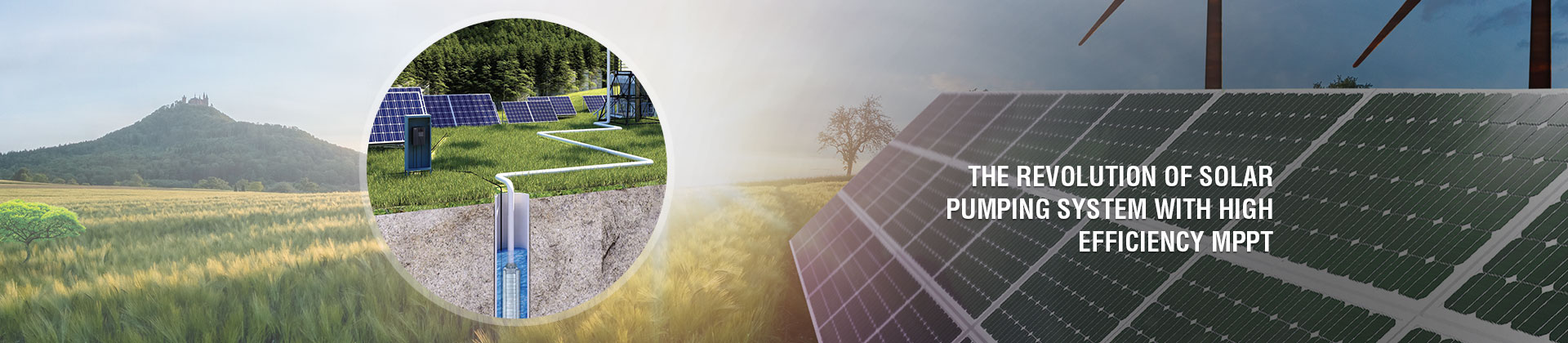
Solar-powered agricultural water pumps use solar panels to directly convert sunlight into electricity, eliminating the need for grid power or diesel-powered pumps, thus saving energy. The system employs technologies such as Maximum Power Point Tracking (MPPT) to automatically adjust according to different sunlight conditions, optimizing energy use and ensuring maximum efficiency. Furthermore, the solar water pump system is equipped with inverters and MPPT trackers to enhance performance, automatically switching to the optimal operating mode, thereby saving energy and reducing costs.
Solar-powered agricultural pump irrigation
What are the main advantages of solar water pumps?
Solar water pumps bring many advantages to agricultural businesses. First, these systems are energy-efficient because they rely entirely on solar energy, reducing dependence on expensive grid electricity or diesel. The system uses solar panels to generate direct current (DC), which is then converted to alternating current (AC) by the solar water pump inverter. This creates a clean, renewable, economical, and environmentally friendly energy source.
Furthermore, solar water pumps require very little maintenance because they have fewer moving parts compared to traditional water pumps. The integration of MPPT (Maximum Power Point Tracking) technology allows for automatic adjustment based on solar intensity, ensuring the system always operates at its best. Whether for single-phase or three-phase AC systems, solar water pumps can be expanded to meet specific needs, making them ideal for both small and large projects.
Series-connected solar water pump inverters offer flexibility and scalability for large systems. They allow for the installation of multiple solar panels to meet the energy demands of larger-scale agricultural operations. Furthermore, solar water pumps feature soft-start functionality, gradually increasing motor speed to protect the system from sudden power surges and extend pump life.
Solar Water Pump Systems: What is the role of MPPT in solar water pumps?
The role of Maximum Power Point Tracking (MPPT) technology in solar water pumps cannot be overlooked. This technology ensures the system always operates at maximum energy output, unaffected by variations in sunlight. The power generation of solar panels varies depending on the time of day and weather conditions. MPPT continuously regulates voltage and current to maintain efficient system operation, ensuring the pump operates at its best even under fluctuating sunlight conditions.
Essentially, MPPT (Maximum Power Point Tracking) technology optimizes energy harvesting, ensuring solar water pumps operate at their best performance throughout the day. This helps maximize solar energy utilization, resulting in overall energy savings.
Solar Water Pump Inverter Maximum Power Point Tracking
Single-Phase AC or Three-Phase AC: Which is Better for Solar Water Pumps?
A key decision when choosing a solar water pump system is whether to choose single-phase or three-phase AC. Single-phase AC systems are generally more affordable and easier to install, making them ideal for small farms with moderate water usage. Three-phase AC systems are more efficient and better suited for larger operations with higher energy demands.
Solar water pumps can easily meet both needs, depending on the agricultural business's electricity requirements. For larger operations, using three-phase AC ensures the system handles high loads more efficiently, reducing energy waste and optimizing performance.
How do solar water pumps save on energy costs?
By utilizing solar energy, agricultural businesses can significantly reduce their reliance on grid electricity or diesel-powered water pumps. While the initial cost of installing a solar water pump system may be higher, the long-term cost savings are substantial. Solar water pumps require no fuel costs and require minimal maintenance, making them a reliable and cost-effective solution.
Maximum Power Point Tracking (MPPT) systems work in conjunction with solar panels to ensure efficient energy use throughout the day. As the system adapts to changing sunlight conditions, it automatically switches to its most efficient mode, preventing energy waste. This system reduces the need for expensive AC power, helping agricultural businesses save on electricity bills.
How do solar water pumps handle idling?
A key feature of modern solar water pumps is their ability to detect idling, which occurs when there is insufficient water to pump. When the pump detects no water available, it automatically shuts off to prevent motor damage. This automatic switching function ensures the system is not only energy-efficient but also durable.
Furthermore, efficient operation in dry conditions reduces energy consumption. By avoiding unnecessary operation, solar water pumps ensure that electricity is used only when needed, preventing waste and saving energy.
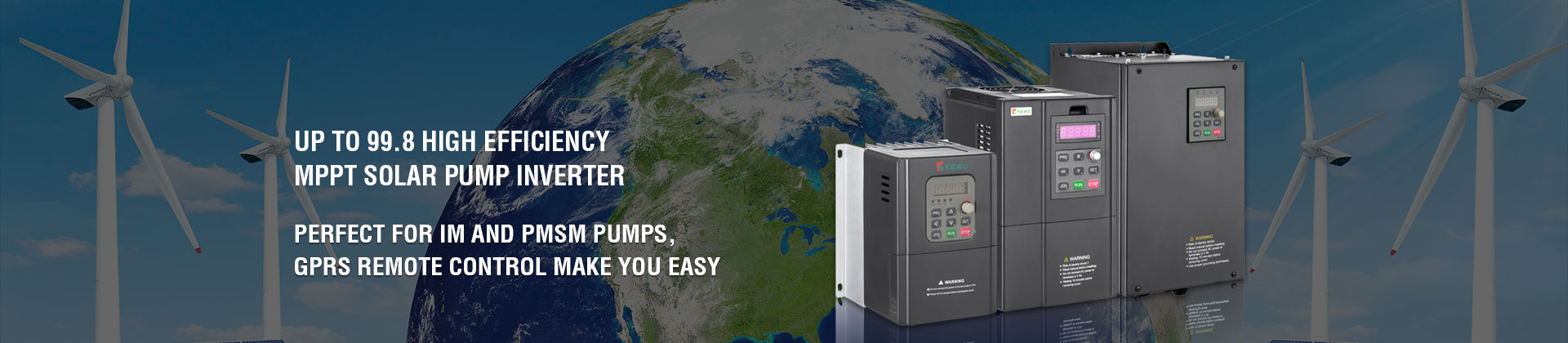
KEWO Smart Inverter Drives Breakthrough in Energy Efficiency of Solar-Powered Agricultural Water Pumps
Against the backdrop of global agricultural green transformation and continuously rising energy costs, solar-powered agricultural water pumps, with their high efficiency and energy-saving characteristics, are gradually becoming the mainstream choice for modern agricultural irrigation. KEWO's dedicated inverter for solar water pumps, through innovative technology integration, significantly improves the overall energy efficiency of the system, achieving a leap from "using solar energy" to "using solar energy effectively."
**Intelligent MPPT Algorithm:** Maximizes light energy capture.
**Multi-mode Energy-Saving Strategy:** Reduces waste by supplying water on demand.
**Wide Voltage Compatibility Design:** Enhances system environmental adaptability.
**Three-phase/Single-phase Self-adaptive Architecture:** Meets diverse agricultural scenarios.
Currently, solar water pump systems equipped with KEWO inverters have been successfully applied in multiple agricultural demonstration areas in Southeast Asia, Africa, and South America. In a rice planting project in the Philippines, the system helped farmers reduce irrigation electricity costs by approximately 70%, shortening the investment payback period to 2-3 years.


Copyright © Shenzhen Kewo Electric Technology Co., Ltd. All Rights Reserved
Sitemap | Powered by


