







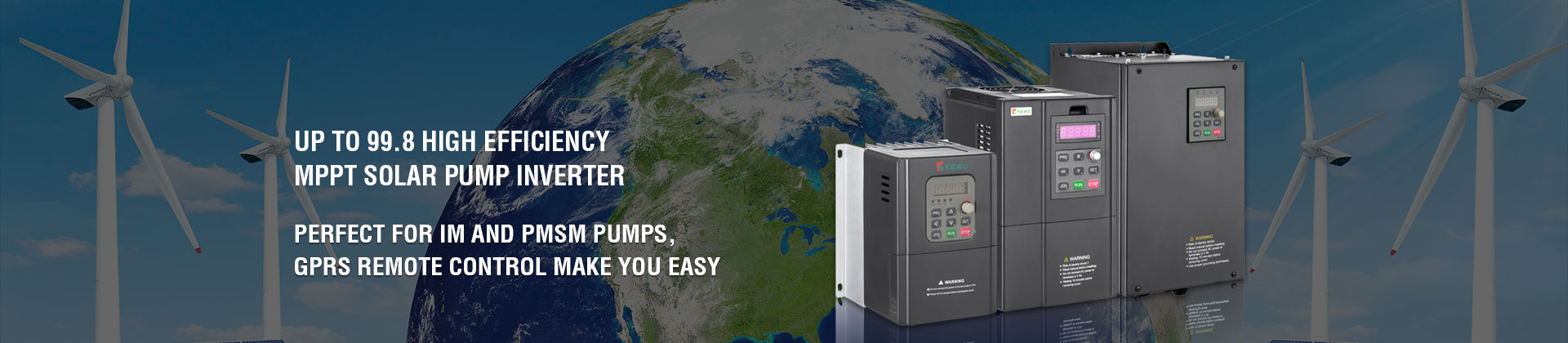

Technical Specifications
● Power: 0.75-30W, single-phase 220V, three-phase 380V
● TI 32t high-speed DSP main control chip
● IP65 potection rating
● High power factor design
● Active PFC design
● Design meets UL certification requirements
● Reserved STO interface
● Optional 5/7ment waveform generation, supporting up to 16carrier frequency, with low motor resonance and low noise
● Built-in high-performance underlying algorithms (SVC, VVC+) for permanent magnet synchronous motors, featuring strong robustness
● Wide-range speed regulation: Supports smooth speed adjustment from 0 to 50Hz (or higher frequency), and can adjust the fan speed according to the real-time heat dissipation needs of the refrigeration system (such as changes in condensation temperature and ambient temperature)
● Soft start and soft stop: The speed rises gradually from 0 during startup (the starting current is only 1-2 times the rated current), avoiding the large current impact caused by the "instant full-speed startup" of fixed-frequency fans
● Avoid "overcapacity operation": Traditional fixed-frequency fans have a fixed air volume, often resulting in redundant energy consumption where "the designed air volume far exceeds the actual demand". The inverter can save 20%-60% of energy by dynamically matching the air volume
● Wide temperature range and corrosion resistance: The operating temperature range is extended to -10℃~60℃ (the heating module starts at low temperatures), and the PCB board is coated with UV paint to resist moisture and salt spray corrosion
● Remote control: Supports communication protocols such as RS485 and Modbus, and can be connected to PLC, SCADA systems or IoT platforms to realize remote speed adjustment and status monitoring
● Compatible with multiple fan types: Supports mainstream fans such as axial flow fans, centrifugal fans, and Roots fans, and is compatible with asynchronous motors and permanent magnet synchronous motors
● No need to replace the fan: Can directly replace traditional fixed-frequency controls (such as contactors, relays); during transformation, only the motor wires and control wires need to be connected, making installation simple
● Local control: Manually adjust the speed through the panel knob and buttons


